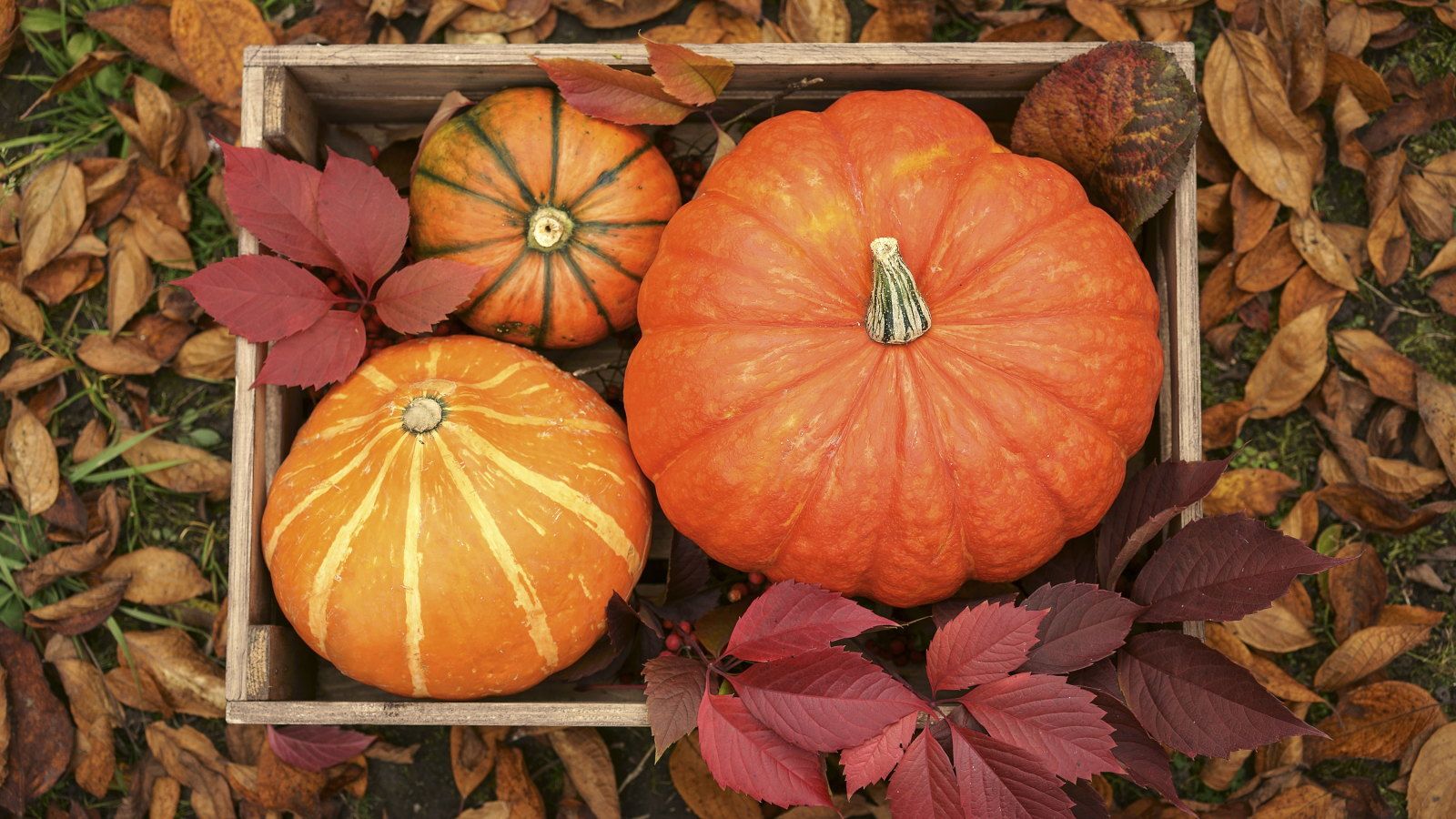
Grow Your Own July Pumpkins: Container Gardening Secrets
When you think of pumpkin picking, what comes to mind? Crisp autumn air, hayrides, and fields brimming with orange gourds ready for Halloween carving and Thanksgiving pies, right? While that classic fall imagery holds a special place in our hearts, what if we told you there's a secret to enjoying fresh pumpkins much, much earlier in the year? Imagine the delight of harvesting pumpkins in July, long before the first leaf even thinks about turning a golden hue. This isn't a gardening fairy tale; it's entirely achievable, even if you don't have a sprawling farm. With a bit of planning and the right techniques, you can be celebrating your own successful pumpkin picking in July, right from your patio or rooftop garden.
The notion of an early pumpkin harvest might seem unconventional, but for dedicated pumpkin enthusiasts, it's a dream come true. Moving beyond the traditional single harvest, many gardeners are now cultivating two batches of these beloved gourds each year. One for the quintessential October festivities, and another for a delightfully early July bounty. This innovative approach means a continuous supply of fresh pumpkin for baking, cooking, and even early decorating. No more waiting until fall to savor that comforting taste; with a July harvest, fresh pumpkin is on the menu during the heart of summer!
Why Embrace July Pumpkins? Extend Your Season and Savor Early Freshness
Why aim for pumpkin picking in July when the world typically waits until fall? The reasons are as sweet as a freshly baked pumpkin pie. For starters, it extends your pumpkin season significantly. Instead of a fleeting autumn delight, you gain months of enjoyment. Imagine having access to fresh, homegrown pumpkin for summer baking. Think pumpkin bread for breakfast, pumpkin soup for a cool summer evening, or even experimenting with pumpkin-infused cocktails. This early harvest allows you to bypass the traditional fall rush and enjoy your produce when it's still warm outside.
Beyond the extended season, there's an undeniable joy in harvesting something so intrinsically linked to autumn during the height of summer. It's a testament to clever gardening and a way to truly maximize your growing space and efforts. Furthermore, growing your own means you know exactly what goes into your food – no pesticides, just pure, organic goodness if you choose. And let's be honest, there's a unique satisfaction in showing off your vibrant orange treasures when most people are still months away from even thinking about them. Ready to dive into summer squash season with a pumpkin twist? Why Wait? Enjoy Fresh Pumpkin Baking with a July Harvest and impress your friends with your gardening prowess.
Setting Up Your Container Pumpkin Patch: Space-Saving Secrets
One of the biggest misconceptions about growing pumpkins is the need for vast fields. The truth is, you absolutely do not need a sprawling backyard or acres of farmland to cultivate these magnificent fruits. With the right approach to container gardening, anyone with a sunny patio, balcony, or even a rooftop can achieve a bountiful July pumpkin harvest. The secret lies in understanding their needs and providing them with ample space and nutrients within their confined environment.
- Choosing the Right Containers: Pumpkins are heavy feeders and develop extensive root systems, even dwarf varieties. For a successful July harvest, you'll need substantial containers. We recommend a minimum of 27-gallon containers (roughly 100 liters). This size provides enough soil volume to sustain a pumpkin plant through its demanding growth cycle. Sub-irrigated planters (SIPs) are particularly effective for pumpkins. Their built-in water reservoirs ensure consistent moisture, which is crucial for these thirsty plants, and reduce the frequency of watering.
- Soil Matters: Don't skimp on soil quality. Fill your containers with a rich, well-draining potting mix. Amending it generously with compost and aged manure will provide the essential nutrients pumpkins crave. A slightly acidic to neutral pH (6.0-7.0) is ideal.
- Sunlight is Non-Negotiable: Pumpkins are sun-worshippers. They need at least 6-8 hours of direct sunlight per day to thrive and produce fruit. Position your containers in the sunniest spot available.
- Variety Selection and Planting Density:
- For larger varieties, like traditional Jack-O-Lantern types, a 1:1 ratio (one plant per container) is best. These plants need all the resources they can get.
- For smaller "pie" varieties, such as 'New England Pie' or 'Sugar Pie', you might be able to grow two plants per container, provided the container is at least 27 gallons. Always check the specific mature size and vigor of your chosen variety.
- Let Them Roam: Even in containers, pumpkin vines love to stretch out. Allow them to sprawl over the edges of your containers, onto your patio, or even up a sturdy trellis if you want to save ground space. Just ensure any trellis is robust enough to support the weight of maturing pumpkins.
Nurturing Your Vines: From Seedling to July Harvest
Growing pumpkins for a July harvest requires a specific timeline and attentive care. Getting the timing right is crucial to ensure your gourds mature in the summer heat rather than in the chill of autumn.
- Timing Your Planting for July Success: To achieve pumpkin picking in July, you need to start early. Based on successful experiences, pumpkin seeds planted around April 22nd, and then transplanted outside around May 20th, will be ready for harvest between July 18th-20th. This roughly 90-day growing period is key for many pumpkin varieties, especially when aiming for an early harvest.
- Consistent Watering: Pumpkins are notoriously thirsty plants, especially when fruiting. In containers, they dry out faster than in the ground. Water deeply and regularly, especially during dry spells and when fruits are forming. Sub-irrigated planters (SIPs) are a game-changer here, providing a steady supply of moisture.
- Feeding for Growth: As heavy feeders, pumpkins benefit from a consistent fertilization schedule. Start with a balanced fertilizer, then switch to one higher in phosphorus and potassium once flowering begins to encourage fruit production. Organic options like fish emulsion and kelp meal are excellent choices.
- The Art of Hand Pollination: For a reliable harvest, especially in areas with fewer natural pollinators or when growing in containers, hand pollination is your secret weapon.
- Identify Male and Female Flowers: Female flowers have a small, swollen "mini-pumpkin" at their base (this is the ovary), while male flowers have a straight stem. Male flowers typically appear first and in greater numbers.
- The Process: In the very early morning, when the female flowers are freshly open, gently pluck a male flower. Remove its petals to expose the stamen (the pollen-bearing part). Carefully dab the pollen onto the stigma (the sticky center) of several female flowers. Alternatively, use a clean Q-Tip or a small, soft paintbrush to transfer pollen. Repeat daily as new female flowers open. This simple act dramatically increases your chances of fruit set.
- Pest and Disease Management: Pumpkins have a couple of common adversaries:
- Powdery Mildew: This fungal disease manifests as white, powdery spots on leaves. To combat it, choose resistant seed varieties from the outset. Ensure good air circulation around your plants, avoid overhead watering (which wets leaves), and consider organic fungicides like neem oil or baking soda solutions at the first sign.
- Aphids: These tiny pests can quickly multiply and weaken your plants. Inspect your plants regularly. If you spot aphids, the quickest solution is often to simply squish them up with your hands ASAP. A strong spray of water can also dislodge them. For larger infestations, neem oil or insecticidal soap can be effective.
The Sweet Reward: Harvesting Your July Gourds
The moment you've been waiting for! After weeks of diligent care, it's time to enjoy the fruits of your labor. For your pumpkin picking in July, knowing when your pumpkins are truly ready is essential. While traditional fall harvest advice often emphasizes hard rinds and deep orange color for long storage, for your early summer harvest, the key is knowing your planting timeline and variety's maturity window.
- Timing is Everything: As mentioned, if you followed the planting schedule (late April seeds, late May transplant), your pumpkins should be ready for harvest around mid-July (July 18th-20th). This is when the specific varieties chosen for early maturity have reached their peak.
- Signs of Readiness:
- Color: Most pumpkins will turn a rich, uniform orange (or whatever their mature color should be) when ripe. Green pumpkins picked too early will not ripen properly off the vine.
- Rind Hardness: A ripe pumpkin will have a hard rind that you cannot easily pierce with your fingernail.
- Stem: The stem connecting the pumpkin to the vine should start to dry and harden. Avoid picking pumpkins by pulling the stem directly; always use pruning shears.
- How to Harvest: When your pumpkins display the signs of readiness, use sharp, clean pruning shears or a knife to cut the stem, leaving a few inches of stem attached to the pumpkin. This helps with post-harvest storage and prevents rot.
- What's Next for Your July Pumpkins? Unlike fall pumpkins destined for long-term storage, your July harvest is often perfect for immediate use! Dive into baking fresh pies, making velvety purees for soups or smoothies, or creating delightful summer desserts. This early bounty is designed to be enjoyed fresh. If you want to store them for a short period, a cool, dry place out of direct sunlight will suffice for a few weeks. For more detailed insights, check out Harvesting Pumpkins in July: Get Fresh Gourds Early.
Embracing pumpkin picking in July transforms the traditional gardening calendar and opens up a world of early culinary possibilities. With the simple, yet effective, strategies of container gardening, careful timing, hand pollination, and attentive pest management, you can easily cultivate your own "orange warriors" for a summer harvest. So, shed the notion that pumpkins are exclusively a fall affair. Roll up your sleeves, get those containers ready, and prepare to enjoy the unique satisfaction of fresh, homegrown pumpkins during the heart of summer!
