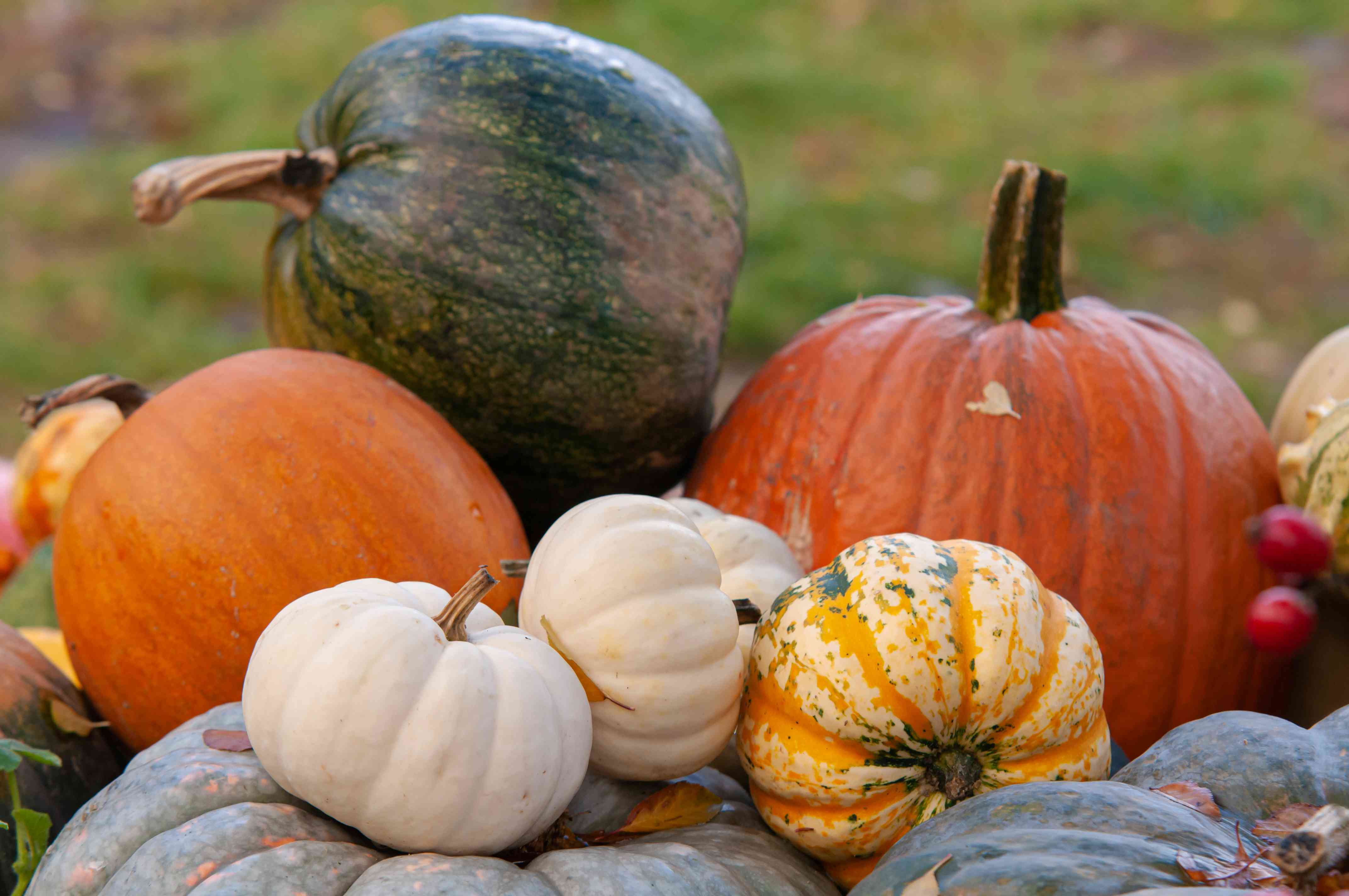
Harvesting Pumpkins in July: Get Fresh Gourds Early
The vibrant hues of autumn, crisp air, and pumpkin spice everything usually define our relationship with pumpkins. But what if we told you that the joy of fresh pumpkin doesn't have to wait until fall? Imagine indulging in homemade pumpkin pie or a savory roasted pumpkin dish in the heart of summer. Thanks to innovative gardening techniques, **pumpkin picking in July** is not just a dream – it's a delicious reality, allowing you to get those coveted fresh gourds much earlier than conventional wisdom suggests.
For years, many have considered pumpkins an exclusive emblem of September and October. However, a growing number of gardening enthusiasts and dedicated home growers are proving that with a little planning and effort, you can enjoy a double harvest, with your first batch of "orange warriors" ready to pick as early as mid-July. This revolutionary approach opens up a world of culinary possibilities, bringing the wholesome goodness of fresh pumpkin to your summer table, long before the first leaf even thinks about changing color.
Shattering the Seasonal Myth: Why July Pumpkins Are Possible
For generations, the narrative has been clear: pumpkins are a quintessential fall crop. Most commercial pumpkin patches open their gates in late September, aligning with the 90-120 day growth cycle for a spring-planted pumpkin destined for Halloween. This conventional wisdom often leads gardeners to believe that attempting to harvest earlier is futile, that green pumpkins picked too soon will simply refuse to ripen properly. And while it’s true that a pumpkin needs to reach maturity on the vine, the key to an early summer harvest lies not in premature picking, but in strategic, early planting and careful cultivation.
The secret to successful **pumpkin picking in July** isn't magic; it's smart gardening. By initiating the growing cycle significantly earlier in the spring, dedicated growers can accelerate the timeline, ensuring pumpkins mature and are ready for harvest by the middle of summer. This method allows for a "dual-season" approach, where one batch of pumpkins is specifically timed for a July harvest, and another, later planting can yield gourds for the traditional fall festivities. The benefits are immense: an extended season for baking and cooking with fresh, homegrown produce, the sheer satisfaction of defying horticultural norms, and the opportunity to savor pumpkin's unique flavor during a time it's traditionally unavailable. It’s about seizing the moment and maximizing your garden's output to enjoy pumpkin love all year long.
The Art of Early Harvest: Planning Your July Pumpkin Patch
Achieving a July pumpkin harvest requires a thoughtful approach, starting with precise timing and clever space utilization. It’s a testament to the fact that you don't need acres of land to grow abundant, fresh gourds.
Timing is Everything: Planting for a Summer Harvest
The cornerstone of **pumpkin picking in July** is an advanced planting schedule. To have pumpkins ready by mid-July, the initial groundwork must begin in spring. For instance, many successful July harvesters sow their pumpkin seeds around late April. This allows the young plants to develop indoors or in a protected environment before they are robust enough for transplanting. Typically, these seedlings are then moved outdoors into their permanent growing locations by mid-May, once the threat of frost has completely passed and soil temperatures are consistently warm.
This precise timeline ensures that the pumpkins have sufficient time to grow, mature, and ripen on the vine for approximately 60-70 days, making them ready for picking by mid-to-late July. Imagine: seeds in the ground in April, vibrant orange pumpkins in your kitchen by July 18th-20th – a truly rewarding cycle that shaves months off the traditional pumpkin season.
Container Cultivation: Even Small Spaces Can Yield Big Results
One of the most exciting aspects of cultivating early pumpkins is the adaptability of these plants to various growing environments. You absolutely do not need a sprawling field to grow impressive gourds. Many successful growers utilize containers, making **pumpkin picking in July** accessible even to urban gardeners or those with limited outdoor space.
Large containers are key: 27-gallon containers are often recommended as an ideal size, providing ample room for the extensive root system pumpkins develop. For even greater efficiency and less frequent watering, sub-irrigated planters (SIPs) work exceptionally well, delivering consistent moisture directly to the roots. When planting, specific ratios can optimize your yield:
- For larger varieties like Jack-O-Lanterns, a 1:1 ratio (one plant per container) is best to ensure each plant has enough nutrients and space to produce substantial fruit.
- For smaller, pie-specific varieties like New England Pie pumpkins, you can often plant two plants per 27-gallon container, maximizing your space and harvest.
Regardless of your chosen variety, remember that pumpkin vines love to roam. Allow them to stretch out, climb, or sprawl across your patio or garden space. Their vigorous growth is a sign of health and a promise of future gourds. For a deep dive into successful container pumpkin gardening, check out our guide:
Grow Your Own July Pumpkins: Container Gardening Secrets.
Nurturing Your Gourds: Expert Tips for Thriving Summer Pumpkins
Beyond timing and space, the day-to-day care of your pumpkin plants is paramount, especially when aiming for an early harvest. Two critical aspects stand out: ensuring successful pollination and diligently guarding against common threats.
The Magic of Hand Pollination
In a bustling garden, natural pollinators like bees often handle the critical task of moving pollen from male to female pumpkin flowers. However, for an early harvest, especially in container gardens or areas with fewer natural pollinators, hand pollination can dramatically increase your yield and reliability. Pumpkin flowers have a brief window of opportunity – female flowers are typically only open for a single morning.
The process is surprisingly simple:
- Identify flowers: Male flowers typically appear first and grow on long, thin stems. Female flowers have a noticeable small bulge (a tiny pumpkin) at their base, directly behind the flower petals.
- Timing: Perform hand pollination in the very early morning, just as the female flowers are opening.
- Technique: Gently use a soft artist's paintbrush or a Q-Tip to collect pollen from the anthers of a male flower. Then, carefully transfer this pollen to the stigma (the central part) of an open female flower. A gentle touch and a bit of love are all it takes to ensure fertilization.
This direct intervention ensures that your plants produce fruit even if the bees are busy elsewhere, making your **pumpkin picking in July** efforts much more fruitful.
Battling Pests and Diseases
Even the hardiest pumpkin plants face adversaries. Two of the most common threats to a healthy pumpkin patch are powdery mildew and aphids. Vigilance and proactive measures are your best defense.
- Powdery Mildew: This fungal disease manifests as white, powdery spots on leaves, ultimately weakening the plant. The best defense is prevention:
- Resistant seeds: When purchasing seeds, look for varieties explicitly labeled as resistant to powdery mildew. This is your first line of defense.
- Airflow: Ensure good air circulation around your plants, especially in container setups, to reduce humidity that encourages fungal growth.
- Watering: Water at the base of the plant in the morning to allow foliage to dry thoroughly throughout the day.
- Aphids: These tiny, pear-shaped insects feed on plant sap, leading to stunted growth and distorted leaves. They can multiply rapidly.
- Inspection: Regularly inspect the undersides of leaves and new growth for signs of aphids.
- Manual removal: For small infestations, simply squish them between your fingers or spray them off with a strong jet of water.
- Natural predators: Encourage beneficial insects like ladybugs, which are natural aphid predators.
By staying proactive against these common challenges, you’ll help your pumpkins thrive, leading to a robust and timely harvest.
From Vine to Table: What to Do with Your July Harvest
The moment your orange beauties are ripe for **pumpkin picking in July**, a world of culinary delights awaits. Unlike the traditional fall harvest, which often leads directly to Halloween decorations, your summer gourds are perfectly positioned for immediate kitchen creativity. The joy of baking with fresh, homegrown pumpkin in July is unparalleled, offering a unique flavor profile that processed, canned pumpkin simply can't match.
Don't limit yourself to specific varieties for baking. While New England Pie pumpkins are renowned for their sweet, dense flesh, even the pulp from Jack-O-Lantern varieties makes an excellent puree for most recipes. After harvesting, simply wash, cut, deseed, and roast your pumpkins until tender. Then, scoop out the flesh and blend it into a smooth puree. This fresh puree can be used immediately or frozen in portions for later use.
Imagine the possibilities:
- Summer Pumpkin Pie: A refreshing twist on a classic, enjoyed during a season when it's least expected.
- Savory Soups: Light and creamy pumpkin soups, perhaps infused with ginger or curry, perfect for a cooler summer evening.
- Baked Goods: Muffins, breads, and cookies enriched with the natural sweetness and moisture of fresh pumpkin.
- Roasted Dishes: Cubed and roasted with herbs, a delightful side dish for any summer meal.
The ability to enjoy the rich, earthy flavor of pumpkin months ahead of schedule truly elevates your summer cooking. It's a testament to the fact that you don't have to wait for autumn to enjoy this versatile and nutritious vegetable. To explore more delicious ways to utilize your early harvest, delve into our guide:
Why Wait? Enjoy Fresh Pumpkin Baking with a July Harvest.
Embrace the Early Harvest
The notion of **pumpkin picking in July** might sound unconventional, but as we've explored, it's a completely achievable and incredibly rewarding endeavor. By shifting your planting schedule, embracing container gardening, diligently hand-pollinating, and protecting your plants, you can shatter the seasonal barriers and enjoy fresh, homegrown pumpkins months ahead of the traditional fall harvest. This proactive approach not only extends your gardening season but also enriches your culinary adventures, allowing you to savor the unique taste of fresh pumpkin during the height of summer. So, why wait for autumn? Plan your early patch today and experience the unparalleled delight of harvesting your very own pumpkins in July!