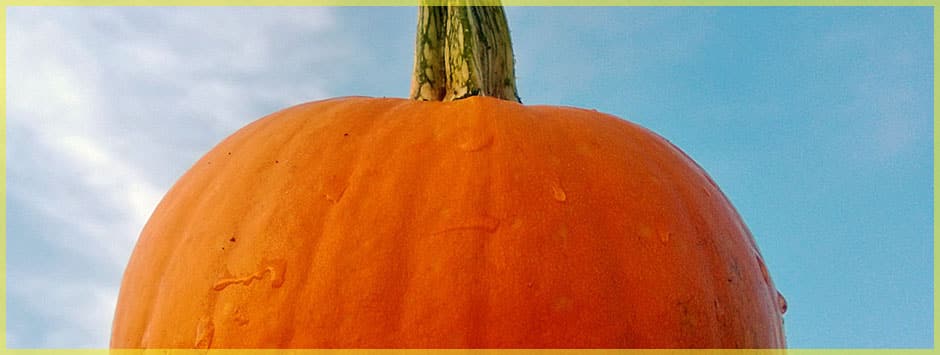
Beyond Fall: Embracing the Joys of Pumpkin Picking in July
Forget everything you thought you knew about pumpkin season. While the crisp air of autumn typically heralds the arrival of pumpkin patches and festive gourds, a quiet revolution is underway in gardens across the globe, challenging this long-held tradition. Imagine the delight of stepping out into your garden in the height of summer, basket in hand, for a session of genuine
pumpkin picking in July! This isn't a fantasy; it's a testament to innovative gardening practices that allow enthusiasts to enjoy fresh, homegrown pumpkins months ahead of schedule.
For many, the love affair with pumpkins runs deep, extending beyond Halloween decorations and Thanksgiving pies. It’s a passion for the plant itself, its vibrant growth, and the versatile culinary magic it holds. By cultivating pumpkins twice a year, gardeners can extend this joy, making fresh pumpkin a year-round delight rather than a seasonal treat. This means that by mid-July, when most are dreaming of fall flavors, a fresh batch of "orange warriors" can be ready for harvest, offering an exciting opportunity for summer baking and culinary experimentation. Why wait for September when you can be enjoying the sweet, earthy goodness of fresh pumpkin puree in July?
Cultivating Summer Gourds: The Secrets to a Successful July Pumpkin Harvest
Achieving a bountiful
pumpkin picking in July experience requires a deliberate approach to planting, care, and pest management. It’s about understanding the pumpkin’s growth cycle and providing optimal conditions for an accelerated harvest.
Timing is Everything: Planting for an Early Yield
The journey to a July harvest begins much earlier in the spring. For pumpkins to be ready for picking between July 18th and 20th, a precise planting schedule is crucial. Seeds typically need to be sown around April 22nd, with seedlings then transplanted outdoors by May 20th. This timeline provides the plants with ample opportunity to establish themselves and grow vigorously during the late spring and early summer, ensuring they mature by mid-July. Keep an eye on local frost dates and soil temperatures to fine-tune your schedule, as warm soil is key for pumpkin success.
Container Gardening: Proving You Don't Need a Field
One of the most exciting revelations for aspiring July pumpkin growers is that you absolutely do not need vast fields to grow these sprawling plants. Pumpkins thrive incredibly well in containers, making them accessible to urban gardeners, balcony growers, and anyone with limited space.
*
Size Matters: For robust growth and fruit production, opt for generous containers. 27-gallon containers are an excellent choice, providing ample room for the extensive root system pumpkins develop.
*
Sub-Irrigated Planters (SIPs): These are a game-changer for container-grown pumpkins. SIPs provide a consistent water supply from below, minimizing drought stress and promoting healthier growth, which is vital for quick development.
*
Planting Density: Not all varieties are created equal when it comes to container spacing. Jack-O-Lantern varieties, known for their larger size, generally require their own individual 27-gallon container (a 1:1 plant-to-container ratio). Smaller, pie-specific varieties like New England Pie, however, can often thrive with two plants per container. For more detailed insights into maximizing your yields in limited spaces, explore our guide on
Grow Your Own July Pumpkins: Container Gardening Secrets.
*
Give Them Room to Roam: Even in containers, pumpkins are ambitious growers. Their vines will stretch and spread, so allow them to roam freely. Train them along fences, trellises, or even across the ground, ensuring they have plenty of sunshine and air circulation.
The Art of Hand Pollination for Early Success
Reliable fruit set is paramount for an early harvest, and sometimes, natural pollinators need a little assistance. Hand pollination is a simple yet incredibly effective technique, especially valuable for container gardens or in areas with fewer natural pollinators.
*
Timing is Key: Female pumpkin flowers are typically only open for a short window in the very early morning. This is your cue!
*
Identifying Flowers: Female flowers are easily identifiable by the small, undeveloped pumpkin (ovary) directly behind the flower petals. Male flowers, which appear more frequently, have a straight stem behind the flower.
*
The Q-Tip Method: Gently use a Q-Tip or a small, soft paintbrush to collect pollen from the anthers of a male flower. Then, transfer this pollen to the stigma (the sticky, central part) of a female flower. A little "love" and careful attention significantly increase your chances of successful fruit development.
Guardians of the Gourd: Pest and Disease Management
Even the hardiest pumpkins face adversaries. For a successful July harvest, vigilance against common pests and diseases is crucial.
*
Powdery Mildew: This fungal disease can quickly weaken pumpkin plants. Opting for seeds that are resistant to powdery mildew is a proactive and highly effective strategy. Good air circulation, especially in container setups, also helps prevent its spread.
*
Aphids: These tiny pests can multiply rapidly and sap the life out of your plants. Inspect your pumpkin leaves regularly, especially the undersides. If you spot aphids, the quickest and most organic solution is to simply squish them between your fingers. A strong jet of water can also dislodge them. For more insights on ensuring your early harvest thrives, consider reading about
Harvesting Pumpkins in July: Get Fresh Gourds Early.
From Patch to Pie: Enjoying Fresh Pumpkin in the Heart of Summer
The true reward of
pumpkin picking in July is the immediate gratification of baking with fresh pumpkin when no one expects it. This isn't just about challenging seasonal norms; it's about enjoying peak freshness and flavor.
Debunking Pumpkin Variety Myths for Baking
There's a common misconception that only "pie pumpkins" are suitable for culinary use. While pie varieties (like New England Pie) are certainly excellent for their dense, sweet flesh, many home growers find that even Jack-O-Lantern varieties produce perfectly delicious puree for baking. Don't let the label deter you; the fresh, vibrant flavor of a homegrown pumpkin, regardless of type, often surpasses that of canned alternatives. Once roasted and pureed, its natural sweetness and earthy notes shine through beautifully.
Summer Pumpkin Culinary Delights
With a fresh harvest in July, your culinary possibilities expand beyond traditional fall fare. Imagine:
*
Pumpkin Spice Smoothies: A refreshing twist on a classic, perfect for a warm summer morning.
*
Light Pumpkin Bread or Muffins: Enjoy a lighter version of your favorite baked goods with a hint of summer air.
*
Savory Pumpkin Dishes: Roasted pumpkin cubes tossed in salads, pumpkin hummus, or a delicate pumpkin soup can make for surprisingly delightful summer meals.
*
Pumpkin Ice Cream or Sorbets: A unique and cooling treat that perfectly blends the unexpected.
The freshness makes all the difference, providing a richer flavor and aroma that elevates any dish.
Your July Pumpkin Journey Awaits: Practical Tips for Early Harvest Success
Embarking on a journey of
pumpkin picking in July might seem unconventional, but with the right approach, it's incredibly rewarding. Here are some key takeaways to guide your early harvest success:
*
Start Early, Plan Meticulously: Adhering to a spring planting schedule is non-negotiable for a July harvest. Map out your dates and stick to them.
*
Embrace Container Gardening: Don't let limited space be a deterrent. Large containers, especially SIPs, are your best friends.
*
Master Hand Pollination: This simple technique dramatically improves your yield and ensures those early flowers turn into delicious pumpkins.
*
Be a Vigilant Gardener: Regular checks for pests and diseases, coupled with resistant varieties, will protect your precious plants.
*
Experiment with Varieties: Don't be afraid to try different pumpkin types, even Jack-O-Lanterns, for your summer baking. You might discover a new favorite!
*
Let Them Roam: Provide ample space for vines to spread out, even in a container setup.
Why Wait? Start Your Summer Pumpkin Tradition Today!
The notion of
pumpkin picking in July might initially sound contradictory to seasonal norms, but as dedicated gardeners have proven, it's an entirely achievable and incredibly rewarding endeavor. Imagine the joy of baking fresh pumpkin pie in August, or stirring a homemade pumpkin puree into a smoothie on a balmy July evening. By embracing innovative growing techniques like container gardening, diligent hand pollination, and proactive pest management, you can extend the pumpkin season far beyond its traditional autumn boundaries. So, why limit yourself? Challenge the calendar, cultivate your own "orange warriors," and experience the unique delight of enjoying fresh pumpkin baking in the very heart of summer. Your taste buds—and your garden—will thank you!